










































Harnessing the Power of Relationships: Applying Systems Approaches to Improve Family Planning Use: Abstract
Institute for Reproductive Health, Georgetown University
"Results suggest that interventions based on ecological models that address gender as a gateway factor and that prioritize critical reflection over transmission of health messages are scalable and effective."
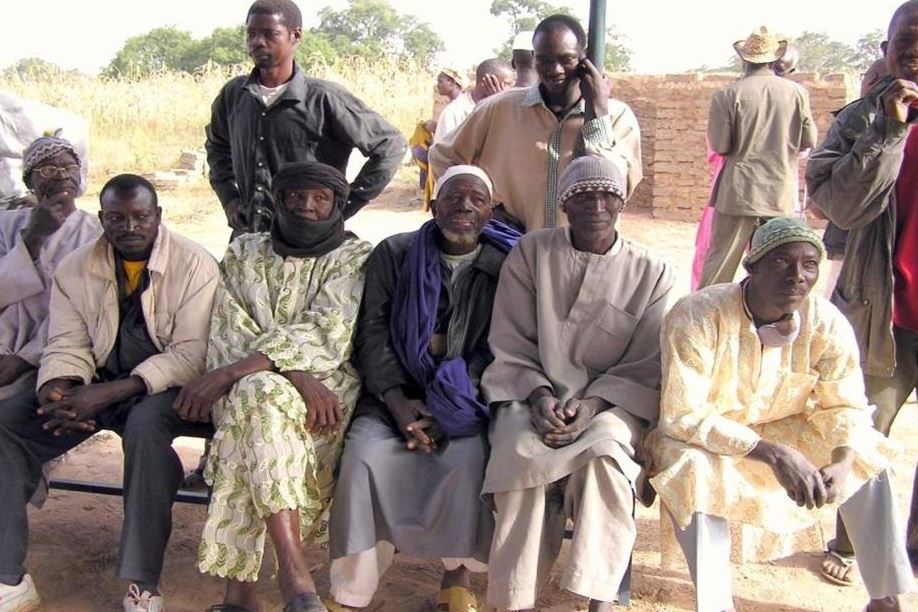
The focus of this Institute for Reproductive Health presentation for the International SBCC Summit 2016, Addis Ababa, Ethiopia, February 8-10, is on family planning (FP) in Benin and Uganda.
From the abstract:
"Enabling youth to live gender-equitable lives free of violence, coerced sex and unintended pregnancy is a critical global challenge. The ability to forge healthy sexual relationships is influenced by factors on multiple levels: individual, family, community, socio-institutional and environmental. Social norms operating at each level influence behaviors regarding violence, sexual debut, contraceptive access and use. Many family planning (FP) programs use individual behavior change models, applying linear theories of change and evaluation approaches. This presentation describes two interventions that use socio-ecological system models for design, implementation, evaluation and scale up. We will share formative research findings illustrating social system influences on FP, explain application of theories (eg, diffusion of innovation theory), measurement (eg, social network analysis), results and lessons learned from program scale up. The Gender Roles Equality and Transformation (GREAT) project in Northern Uganda applies a life-course approach implemented within an ecological model to bring about more gender-equitable attitudes, reduce gender-based violence and improve adolescent sexual and reproductive health. The Tékponon Jikuagou project in Benin uses community-based social network approaches to engage influential and connected individuals and groups to catalyze reflection, debate, and diffusion about social norms related to fertility, encouraging women and men to act on unmet need for FP.
Key Highlights:
Results suggest that interventions based on ecological models that address gender as a gateway factor and that prioritize critical reflection over transmission of health messages are scalable and effective. Evaluation of both interventions showed increased perception of social support for FP use and improved couple communication and contraceptive use. In Uganda, for example, significant increases in partner communication (11 percent) and contraceptive use (16 percent) were observed. In Benin, significant and positive effects were observed on couple communication, with men exposed to intervention components almost twice as likely to report discussing fertility and family planning with their spouse as those not exposed. Women exposed to intervention components had 1.5 times the odds of unexposed women in using a modern method and having met need for family planning."
International SBCC Summit 2016 website, February 20 2016.
- Log in to post comments