










































Lessons from Game of Thrones: How Good Storytelling Can Solve Tough Problems
Summary:
In the words of Tyrion Lannister "Theres nothing in the world more powerful than a good story. Nothing can stop it. No enemy can defeat it. Nothing unites people more than a good story." Many of the issues we work on in public health are complex climate change, health equity, gender norms, vaccine hesitancy. We spend years collecting data that makes a compelling case to solve these problems. We create calls to action with big words like equity and rights. But no one has ever been moved to action because of a riveting graph or data point on a spreadsheet. Storytelling is one of the greatest tools we have for changing behavior on complex social and environmental issues. Yet it is seldom used to its full potential. Come join us for this Comms Talk where we share some principles of how the Science of Storytelling (yup, its a Science) can solve tough behavioral problems. Common Thread talks of how they've used powerful storytelling to break new ground understanding malnutrition and immunization in complex contexts like Tajikistan and Pakistan.
Background/Objectives:
Have you ever wondered why people are often apathetic toward acting on really complex problems? Yet when we confront the very things that most obviously beg behavior change, like climate change, genocide and massive crimes against humanity, we're like a herd of deer caught in the headlights. As the magnitude of a problem increases, our emotional response becomes smaller. But there is one invaluable tool that can overcome this 'deer-in-the headlights' effect: storytelling. The Science of storytelling provides invaluable insights that can help people and organizations tell compelling and persuasive stories about complex issues - and effect change.
Description of the Big Idea/Experience/Innovation and Its Importance to the SBCC Field:
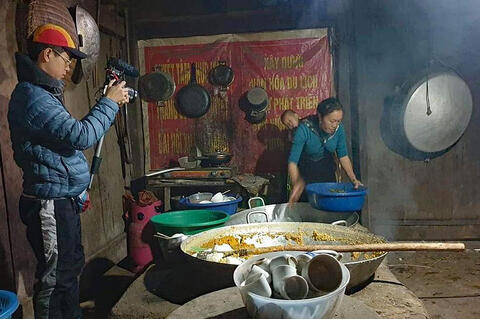
Storytelling with empathy has the capacity to create transformational change. Yet so few people do it, or know how to distinguish sympathy from empathy, documenting from storytelling. Using research, and examples from our own work, we discuss the power of this method. Common Thread was given 2 challenges: Why are 1 in 5 children stunted in Tajikistan? And why does Balochistan have one of the lowest immunization coverages in the world? Clients encouraged us to look for solutions amidst the stacks of data already published. What we found were a list of problems that had been documented for decades. They were so well documented, people were numb to them. So we decided to find new stories. And in our search, we found new solutions. In Tajikistan, we gave adolescents video camera's and asked them to film their lives. Straddling the space between childhood and adulthood, these young people gave us new insights - and stories - about their communities. Things people had forgotten they were even doing. In Balochistan, we followed people using personal narrative, photography and film. This research is still underway but we are excited about how it's already showing us new ways of understanding hesitancy and immunization.
Discussion/Implications for the Field:
We hope that the discussion can inspire new ways to talk about, describe, and solve for really tough problems that have been challenging public health for some time. We hope to show how we can combine big data with personal storytelling to create the most powerful combination of science and empathy, reveal new solutions, and tap into new partners that will be engaged by new ways of looking at old problems.
Abstract submitted by:
Sherine Guirguis - Common Thread
In the words of Tyrion Lannister "Theres nothing in the world more powerful than a good story. Nothing can stop it. No enemy can defeat it. Nothing unites people more than a good story." Many of the issues we work on in public health are complex climate change, health equity, gender norms, vaccine hesitancy. We spend years collecting data that makes a compelling case to solve these problems. We create calls to action with big words like equity and rights. But no one has ever been moved to action because of a riveting graph or data point on a spreadsheet. Storytelling is one of the greatest tools we have for changing behavior on complex social and environmental issues. Yet it is seldom used to its full potential. Come join us for this Comms Talk where we share some principles of how the Science of Storytelling (yup, its a Science) can solve tough behavioral problems. Common Thread talks of how they've used powerful storytelling to break new ground understanding malnutrition and immunization in complex contexts like Tajikistan and Pakistan.
Background/Objectives:
Have you ever wondered why people are often apathetic toward acting on really complex problems? Yet when we confront the very things that most obviously beg behavior change, like climate change, genocide and massive crimes against humanity, we're like a herd of deer caught in the headlights. As the magnitude of a problem increases, our emotional response becomes smaller. But there is one invaluable tool that can overcome this 'deer-in-the headlights' effect: storytelling. The Science of storytelling provides invaluable insights that can help people and organizations tell compelling and persuasive stories about complex issues - and effect change.
Description of the Big Idea/Experience/Innovation and Its Importance to the SBCC Field:
Storytelling with empathy has the capacity to create transformational change. Yet so few people do it, or know how to distinguish sympathy from empathy, documenting from storytelling. Using research, and examples from our own work, we discuss the power of this method. Common Thread was given 2 challenges: Why are 1 in 5 children stunted in Tajikistan? And why does Balochistan have one of the lowest immunization coverages in the world? Clients encouraged us to look for solutions amidst the stacks of data already published. What we found were a list of problems that had been documented for decades. They were so well documented, people were numb to them. So we decided to find new stories. And in our search, we found new solutions. In Tajikistan, we gave adolescents video camera's and asked them to film their lives. Straddling the space between childhood and adulthood, these young people gave us new insights - and stories - about their communities. Things people had forgotten they were even doing. In Balochistan, we followed people using personal narrative, photography and film. This research is still underway but we are excited about how it's already showing us new ways of understanding hesitancy and immunization.
Discussion/Implications for the Field:
We hope that the discussion can inspire new ways to talk about, describe, and solve for really tough problems that have been challenging public health for some time. We hope to show how we can combine big data with personal storytelling to create the most powerful combination of science and empathy, reveal new solutions, and tap into new partners that will be engaged by new ways of looking at old problems.
Abstract submitted by:
Sherine Guirguis - Common Thread
Source
Approved abstract for the postponed 2020 SBCC Summit in Marrakech, Morocco. Provided by the International Steering Committee for the Summit. Image credit: Common Thread