











































Using a mix of traditional and new media tools to achieve maximum exposure that reinforce the messages on HIV Prevention services: the Zambia Ending AIDS Campaign Experience
Summary:
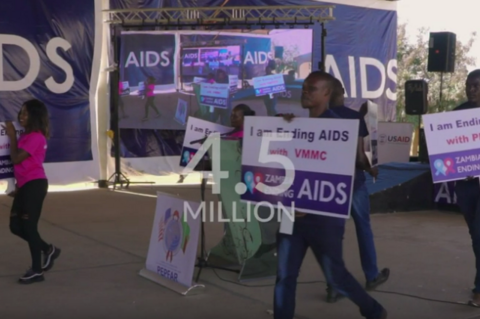
Of the 17 million people who live in Zambia, over one million are living with HIV, ranking Zambia among the 10 countries with the highest number of people living with HIV. Tremendous efforts have been made to respond to the HIV epidemic, with encouraging results: among adults over the age of 15, annual new HIV infections have decreased from 67,000 to 46,000, and yearly AIDS-related deaths have dropped from 69,000 to 20,000. While the statistics show significant progress - 70% of women and 63% men know their HIV status, 85% are on ART, and 89% are virally suppressed (ZAMPHIA 2016) - much still needs to be done to achieve the 90-90-90 UN treatment target, including efforts to reach people with information and services to link them to care and treatment. As part of these efforts, the USAID DISCOVER-Health project is supporting the Zambian Ministry of Health and National AIDS Council to implement the Zambia Ending AIDS campaign. Using a human centered design approach, the project worked with its partners to develop an inspirational campaign to get more people, especially young people, to access critical HIV prevention products and services. The resulting campaign leveraged both traditional and digital media, as well as localised community health fairs to encourage people to use the HIV prevention method best for them. Over 4.5 million people have been reached via the Facebook page, and PrEP adverts have been heard over 90 million times and watched over 14 million times (IPSOS next day recall, 2019). Click here to watch a campaign video.
Background/Objectives:
USAID DISCOVER-Health designed Zambia Ending AIDS to resonate with young people, who are at high risk of HIV infection but difficult to reach. The campaign aimed to increase awareness of HIV risk among target audience; increase awareness of availability and benefits of HIV prevention and treatment options, products, and services; promote and increase the use of HIV prevention and treatment products and services including condoms, PrEP, VMMC, and ART; promote HTS and PMTCT as entry points; promote and sustain adherence; and increase the knowledge and capacity of health care workers to deliver services in a confidential, knowledgeable, non-judgmental manner.
Results/Lessons Learned:
The campaign ultimately aims to influence behaviour change by encouraging people to use products and services to prevent HIV transmission. To date, we have seen active participation in localised community health fairs (activations), distribution of condoms, and involvement on the social media platforms. By the end of September 2019, more than 4.5 million people have been reached via the Facebook page; the PrEP advert has been played over 4,800 times on 22 commercial and community radio stations across the country and has been by over 90 million times; watched by over 40 million times (IPSOS next day recall); 50,000 condoms have been distributed through activations; and over 140,000 people have requested more information about PrEP via the Toll-free USSD short code.
Discussion/Implications for the Field:
The Zambia Ending AIDS campaign is a prevention initiative that enables people, regardless of HIV status, to understand they have choices when it comes to HIV prevention methods. The campaign uses multimedia strategies and communication interventions tailored to audiences' perspectives and environments. The Zambia Ending AIDS campaign successfully used a mix of traditional and new media tools to reinforce messages and influence behaviour change because USAID DISCOVER-Health and its partners put audiences at the centre when designing products and deciding on the channels to address audiences' motivations and barriers that either influence or inhibit taking action.
Abstract submitted by:
Answell Chipukuma - John Snow, Inc.
Mwansa Charity Njelesani - John Snow, Inc.
Pule Mundende - John Snow, Inc.
Cecilia Kaonga Nalishuwa - John Snow, Inc.
Mutinta Nyumbu - John Snow, Inc.
Muka Chikuba-McLeod - John Snow, Inc.
Of the 17 million people who live in Zambia, over one million are living with HIV, ranking Zambia among the 10 countries with the highest number of people living with HIV. Tremendous efforts have been made to respond to the HIV epidemic, with encouraging results: among adults over the age of 15, annual new HIV infections have decreased from 67,000 to 46,000, and yearly AIDS-related deaths have dropped from 69,000 to 20,000. While the statistics show significant progress - 70% of women and 63% men know their HIV status, 85% are on ART, and 89% are virally suppressed (ZAMPHIA 2016) - much still needs to be done to achieve the 90-90-90 UN treatment target, including efforts to reach people with information and services to link them to care and treatment. As part of these efforts, the USAID DISCOVER-Health project is supporting the Zambian Ministry of Health and National AIDS Council to implement the Zambia Ending AIDS campaign. Using a human centered design approach, the project worked with its partners to develop an inspirational campaign to get more people, especially young people, to access critical HIV prevention products and services. The resulting campaign leveraged both traditional and digital media, as well as localised community health fairs to encourage people to use the HIV prevention method best for them. Over 4.5 million people have been reached via the Facebook page, and PrEP adverts have been heard over 90 million times and watched over 14 million times (IPSOS next day recall, 2019). Click here to watch a campaign video.
Background/Objectives:
USAID DISCOVER-Health designed Zambia Ending AIDS to resonate with young people, who are at high risk of HIV infection but difficult to reach. The campaign aimed to increase awareness of HIV risk among target audience; increase awareness of availability and benefits of HIV prevention and treatment options, products, and services; promote and increase the use of HIV prevention and treatment products and services including condoms, PrEP, VMMC, and ART; promote HTS and PMTCT as entry points; promote and sustain adherence; and increase the knowledge and capacity of health care workers to deliver services in a confidential, knowledgeable, non-judgmental manner.
Results/Lessons Learned:
The campaign ultimately aims to influence behaviour change by encouraging people to use products and services to prevent HIV transmission. To date, we have seen active participation in localised community health fairs (activations), distribution of condoms, and involvement on the social media platforms. By the end of September 2019, more than 4.5 million people have been reached via the Facebook page; the PrEP advert has been played over 4,800 times on 22 commercial and community radio stations across the country and has been by over 90 million times; watched by over 40 million times (IPSOS next day recall); 50,000 condoms have been distributed through activations; and over 140,000 people have requested more information about PrEP via the Toll-free USSD short code.
Discussion/Implications for the Field:
The Zambia Ending AIDS campaign is a prevention initiative that enables people, regardless of HIV status, to understand they have choices when it comes to HIV prevention methods. The campaign uses multimedia strategies and communication interventions tailored to audiences' perspectives and environments. The Zambia Ending AIDS campaign successfully used a mix of traditional and new media tools to reinforce messages and influence behaviour change because USAID DISCOVER-Health and its partners put audiences at the centre when designing products and deciding on the channels to address audiences' motivations and barriers that either influence or inhibit taking action.
Abstract submitted by:
Answell Chipukuma - John Snow, Inc.
Mwansa Charity Njelesani - John Snow, Inc.
Pule Mundende - John Snow, Inc.
Cecilia Kaonga Nalishuwa - John Snow, Inc.
Mutinta Nyumbu - John Snow, Inc.
Muka Chikuba-McLeod - John Snow, Inc.
Source
Approved abstract for the postponed 2020 SBCC Summit in Marrakech, Morocco. Provided by the International Steering Committee for the Summit. Image credit: USAID via YouTube