










































Social Movements and SBCC: Tapping into the Strengths of Movements to End FGM
Summary:
Strong social movements (SM) build awareness, change attitudes and behaviors, and mobilize individuals, communities, organizations, and networks in collective action towards social change. While often SMs are recognized for their role in the law and policy making process, strong SM frame issues and develop narratives that shift social norms to build community support for adoption at local levels. Donors, organizations, and activists in Kenya helped pass the Anti FGM Act in 2011, which criminalized FGM and created an oversight and coordination board. However, FGM remains prevalent and at times protected by weak implementation of laws and policies at all levels and prevailing cultural attitudes/beliefs. In January 2019, the Coalition on Violence Against Women (COVAW), with support from AmplifyChange and Global Fund for Women, assessed the capacity of the anti FGM movement to understand movement actors perceptions of the strengths, challenges, and priorities so the movement could address the persistence of FGM. The assessment and process of sharing, reflecting and planning by movement actors led to a prioritization of two important social behavior change communications goals: (1) developing standard messaging that is culturally relevant and appropriate aimed at behavioral change, (2) engage and amplify voices of survivors of FGM in the anti FGM movement. How the movement has strengthened capacity and since pursued these strategies will be discussed. We will conclude with implications for the anti FGM movement, measurements of movement capacity, and how researchers, practitioners and funders might identify and support social movements in pursuing SBCC work.
Background/Objectives:
Strong SM build grassroots support for social change from the ground up, strengthening sustainability. FGMs persistence despite criminalization demonstrates how top-down policy change without a groundswell from the grassroots does not address knowledge, attitudes and beliefs or mobilize communities and leaders to prevent, protect against, or prosecute FGM. Strengthening the movement to end FGM first requires an understanding of how movement actors perceive the strengths, challenges and priorities of the movement. Through a participatory approach, movement actors can share, reflect, and plan how to strengthen movement capacity, prioritize and implement coordinated SBCC approaches at the local, county and national level.
Description of Intervention and/or Methods/Design:
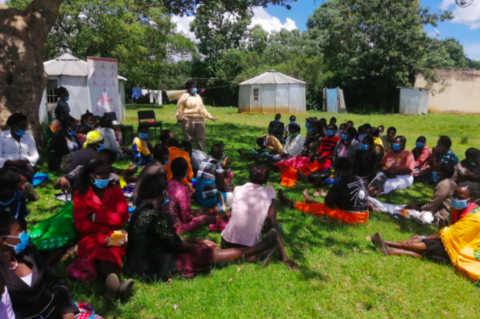
GFW developed the movement capacity assessment tool (MCAT) to measure the attributes of strong SM and identify areas and approaches to strengthen movements. Research on SM proposes several theories of what SM are and what they do, and has often retrospectively analyzed SM to highlight critical strengths or opportunities determining their success in achieving their vision of social change. The MCAT instruments this insight to enable movement actors (organizations and activists/experts leading and mobilizing movements) understand perceived strengths, challenges, and priorities to inform collective and coordinated action. In 2019, COVAW, with the support from AmplifyChange and GFW engaged key actors in the Anti-FGM movement in five counties in an assessment and planning process. Through conducting the MCAT and a series of in-person meetings, 193 movement actors (representing 106 organizations 80 activists/experts) gave insight on the current state of the Anti-FGM movement and developed priorities to strengthen the movement towards ending FGM.
Results/Lessons Learned:
Actors in the movement to end FGM represent organizations, government agencies, and civil society groups as well as activists and experts across women and childrens health and rights issue areas. Respondents agreed that the movements strongest attribute was their grassroots base, and prioritized improving collaboration and maintaining and mobilizing the base. Specifically, movement actors priorities coalesced around (1) developing standard messaging on FGM that is culturally relevant and aimed at fostering behavioral change, (2) increasing the participation and leadership of the survivors and persons affected by FGM, (3) advocating for a national framework and decentralization of the Anti FGM Board, including developing county-specific SGBV policies. These priorities strongly emphasized SM role in SBCC. Learnings additionally advanced understandings of SM capacities and roles in social and behavior change, how to assess strengths and needs of SM, and how supporting SM in this role might differ from organization or project support.
Discussion/Implications for the Field:
SM use SBCC to both pressure for the passage of laws/policies and shape the social norms, attitudes and beliefs at the community level. SM can frame issues, shape narratives, and engage those affected by FGM as advocates. Through assessing the capacity of the movement, actors identified the need for shared messaging to gain support of community members and local leaders who are key in prevention, prosecution, and protection. Supporting and strengthening SM differs from the kinds of short term engagement that discrete programs provide. Instead, strengthening SM requires understanding capacities and priorities, longer time horizons, and greater opportunities for movement.
Abstract submitted by:
Allison Sambo - Global Fund for Women
Wairimu Munyinyi-Wahome - Coalition on Violence Against Women (COVAW)
Approved abstract for the postponed 2020 SBCC Summit in Marrakech, Morocco. Provided by the International Steering Committee for the Summit. Image credit: COVAW