










































Underage and Underserved: Reaching Young Women Who Sell Sex in Zimbabwe: Abstract
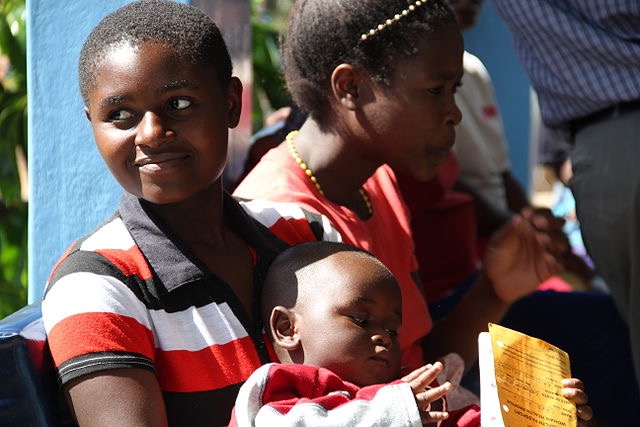
"A guiding principle of this document is that young women who sell sex are both active agents who shape their own lives and make their own choices, as well as vulnerable due to circumstances beyond their control."
This presentation for the International SBCC Summit 2016, Addis Ababa, Ethiopia, February 8-10, describes measures taken to reach adolescent girls who sell sex in Zimbabwe.
From the abstract:
"No one knows how many young women sell sex, but some studies indicate that up to 40 percent of female sex workers may start before the age of 18. Within HIV programmes, however, working with young women who sell sex raises controversy and ethical dilemmas, as those aged below 18 years are defined as sexually exploited by the United Nations Convention on the Rights of the Child and as trafficked by another international protocol. As a result, they have been largely neglected by prevention and treatment efforts, despite their documented vulnerability to sexually transmitted infections, unwanted pregnancy and gender-based violence. As part of the national sex worker HIV programme in Zimbabwe, we conducted a respondent driven survey among 2,722 women and found that roughly a fifth of adult sex workers reported selling sex as adolescents, although less than 1 percent of those attending designated sex worker clinics were under 18. Formative research suggested adolescents and young women who sell sex do not have the skills or experience to negotiate safe relationships or manage difficult clients, particularly those who are significantly older. Yet young women are also not comfortable mixing with their older peers, and thus are reluctant to attend existing participatory meetings or clinical services. To try to engage this group, we have designed an interactive Activity Pack consisting of six modules including 21 participatory activities and four 'top-tip' factsheets. The pack draws together psychosocial support and behaviour change communication approaches used in programmes targeting adolescents and those for adult sex workers, adapting them to the specific needs of those who fall into both categories: young women who sell sex during their years of transition to adulthood.
Key highlights:
A guiding principle of this document is that young women who sell sex are both active agents who shape their own lives and make their own choices, as well as vulnerable due to circumstances beyond their control. The challenge is to find a locally acceptable balance between addressing key health and social issues confronted by young women who sell sex in a non-judgmental way, while acknowledging that they have additional child protection needs. The activities are designed to encourage active participation, and empower peer groups by building trust, developing social cohesion, and increasing their engagement in services targeted to sex workers and/or young people. At the same time, an effort has been made to introduce the possibility that some participants will need additional assistance, including counselling and referrals."
International SBCC Summit 2016 website, February 22 2016.
- Log in to post comments