










































Targeted Behavior Change Communication Interventions Increased Service Uptake amongst Most At Risk Populations
Population Services International, MULU HIV Prevention Project
This poster presentation for the International SBCC Summit 2016, Addis Ababa, Ethiopia, February 8-10, describes the MULU/MARPs (Most-at-Risk-Populations) HIV Prevention Project, began in 2012, implemented by Population Service International (PSI)/Ethiopia with support from PEPFAR/USAID. The project has the goal of contributing to the Ethiopian national goal of reducing new HIV infections among the general population by 50% by the end of 2017. "The project provides a package of combination HIV prevention services targeting FSWs [female sex workers] and other priority populations in 168 towns. Behavior change communication (BCC), biomedical, and structural interventions are the pillars of the project."
Programme activities include the following:
- "For each target group, the project has designed a peer guide, training curriculum, and reporting system that consider the unique needs of the target population;
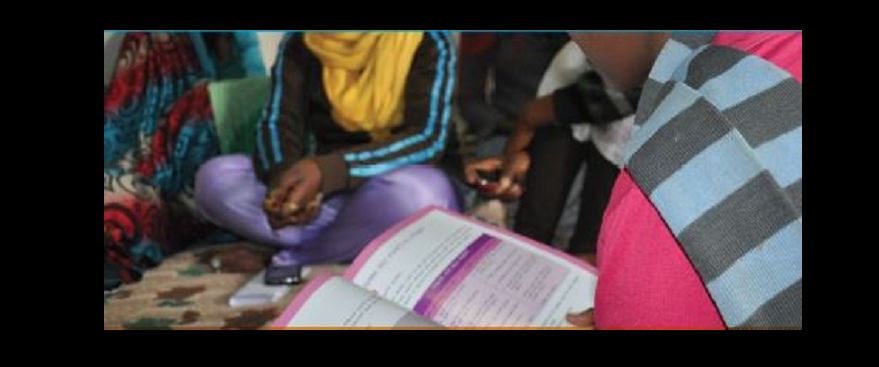
- MARPs participate in group discussions of 6-10 sessions, covering topics related to HIV/AIDS and sexual health;
- After completion, FSWs are referred to a one-to-one program in which peer educator’s follow-up on an individual level to encourage risk reduction and facilitate ongoing access to clinical services;
- In addition, community-wide events are conducted in hotspot areas to promote changes in community values;
- Data on program implementation is captured monthly using DHIS2. [District Health Information System 2 (DHIS2) The DHIS 2 is a tool for collection, validation, analysis, and presentation of aggregate statistical data, tailored to integrated health information management activities. DHIS 2 is developed by the Health Information Systems Programme (HISP).]”
"In the past three years, more than 314,313 MARPs (158,372 FSWs and 155,941 other priority populations) were reached reached with the BCC package," implying that:
- "HIV prevention programs should be supported with BCC strategies that are specifically designed for target groups.
- The MARPs-friendly approach that considers the unique characteristics of each group reaches more targets and achieves the intended change of increasing risk perceptions and increasing service uptake."
Click here to view the first poster
Email from Habtamu Tamene to The Communication Initiative on February 5 2016.
- Log in to post comments