










































Reducing neonatal mortality by preventing preterm births: Mapping local models of preterm birth in Ethiopia, Mali and Bangladesh
Summary:
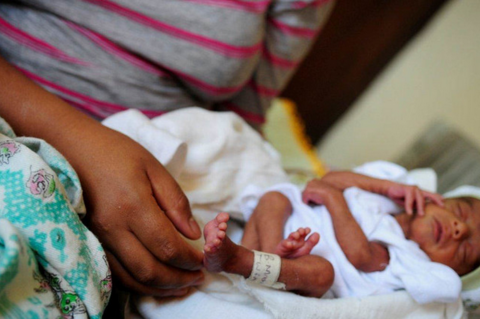
Bangladesh (19 percent) , Ethiopia (12 percent) and Mali (10-14 percent) are among countries with the highest prevalence of preterm births (PTB) in the world. The Born on Time Consortium and the Johns Hopkins Center for Communication Programs (CCP) is undertaking a mixed methods research study to identify community perceptions of preterm birth. The qualitative study includes in-depth interviews (216 IDIs), focus group discussions (81 FGDS) and key informant interviews (KII 60). Preterm birth is known as workeresh in Ethiopia, meaning one month short, while "Denkogobali" (an immature child) is the term used in Mali. Derogatory PTB terms exist in both countries, such as hewok (hindered) and dennagassilen'' (devil's children). The perceived causes for PTB in Mali are deeply rooted in "tonso gnimi", a disease of the stomach which is believed to trigger early labor. Early marriage is perceived as another cause. Stigma against PTB is stronger in Mali with PTB babies being viewed as not fully human and resembling a snake. The study is transformational because it is among the first studies to tap PTB related local culture, beliefs and knowledge. The results can help design contextually relevant and culturally appropriate SBCC programs for preventing PTB. The results provide local terminology and constructs to promote prevention of PTB. We learn that the explanatory models in the two countries are different indicating the importance of contextual factors around PTB. Both countries attach stigma to PTB and SBCC programs should focus on addressing negative perceptions around PTB.
Background/Objectives:
Bangladesh (19 percent), Ethiopia (12 percent) and Mali (10-14 percent) are among countries with the highest prevalence of preterm births (PTB) in the world. Preterm birth is the leading cause of perinatal mortality. The Born on Time consortium which includes World Vision, Save the Children and Plan International, leads the effort to prevent preterm births in Bangladesh, Ethiopia and Mali. The Johns Hopkins Center for Communication Programs (CCP) is undertaking a mixed methods research study to identify community perceptions of preterm birth and to outline pathways to prevent PTB.
Description of Intervention and/or Methods/Design:
Local models refer to societal perceptions of PTB causes, consequences and prevention. The study focuses on lived experiences of PTB and uses a grounded theory approach to map local perceptions of PTB in Bangladesh, Ethiopia and Mali. The study uses a multi-theoretical approach which includes the socio-ecological model, and focuses on household and social factors such as gender equity norms, gender and power, social norms, culture,and community models of PTB. The qualitative study includes 72 in-depth interviews (IDIs) with women who experienced PTBs and with women who had normal deliveries. IDIs included husbands and family members who experienced PTBs (72 IDIs); married and unmarried adolescent girls (72 IDIs). Women with children < 2 years (27 FGDs), their spouses (27 FGDs) and unmarried adolescent girls (27 FGDs) participated in FGDs. Key informant interviews (KIIs) with community leaders, health workers, etc. were conducted (60 KIIs).
Results/Lessons Learned:
Preterm birth is known as workeresh in Ethiopia, meaning one month short, while "Denkogobali" (an immature child) is the term used in Mali. Derogatory PTB terms exist in both countries, such as hewok (hindered) and dennagassilen'' (devil's children). The perceived causes of workeresh include intensive work in the sun leading to a condition called metat. Another perceived cause is pregnant women's role in preparing Areke (a potent alcoholic drink). A strong belief exists in Ethiopia that babies born in the 7th month survive and those born in the 8th month don't survive. The perceived causes for PTB in Mali are deeply rooted in "tonso gnimi", a disease of the stomach which is believed to trigger early labor. Stigma against PTB is stronger in Mali with PTB babies being viewed as not fully human and resembling a snake. Bangladesh data will be added to the final presentation.
Discussion/Implications for the Field:
The study is transformational because it is among the first studies to tap PTB related local culture, beliefs and knowledge. The results can help design contextually relevant and culturally appropriate SBCC programs for preventing PTB. The results provide local terminology and constructs to promote prevention of PTB. We learn that the explanatory models in the two countries are different indicating the importance of contextual factors around PTB. Both countries attach stigma to PTB and SBCC programs should focus on addressing negative perceptions around PTB.
Abstract submitted by:
Nandita Kapadia Kundu - Johns Hopkins Bloomberg Center for Communication Programs
Marie Bettings - World Vision
Samba Diop - Mali ICER
Salahuddin Ahmed - Johns Hopkins Bloomberg School of Public Health
Andenet Haile
Bangladesh (19 percent) , Ethiopia (12 percent) and Mali (10-14 percent) are among countries with the highest prevalence of preterm births (PTB) in the world. The Born on Time Consortium and the Johns Hopkins Center for Communication Programs (CCP) is undertaking a mixed methods research study to identify community perceptions of preterm birth. The qualitative study includes in-depth interviews (216 IDIs), focus group discussions (81 FGDS) and key informant interviews (KII 60). Preterm birth is known as workeresh in Ethiopia, meaning one month short, while "Denkogobali" (an immature child) is the term used in Mali. Derogatory PTB terms exist in both countries, such as hewok (hindered) and dennagassilen'' (devil's children). The perceived causes for PTB in Mali are deeply rooted in "tonso gnimi", a disease of the stomach which is believed to trigger early labor. Early marriage is perceived as another cause. Stigma against PTB is stronger in Mali with PTB babies being viewed as not fully human and resembling a snake. The study is transformational because it is among the first studies to tap PTB related local culture, beliefs and knowledge. The results can help design contextually relevant and culturally appropriate SBCC programs for preventing PTB. The results provide local terminology and constructs to promote prevention of PTB. We learn that the explanatory models in the two countries are different indicating the importance of contextual factors around PTB. Both countries attach stigma to PTB and SBCC programs should focus on addressing negative perceptions around PTB.
Background/Objectives:
Bangladesh (19 percent), Ethiopia (12 percent) and Mali (10-14 percent) are among countries with the highest prevalence of preterm births (PTB) in the world. Preterm birth is the leading cause of perinatal mortality. The Born on Time consortium which includes World Vision, Save the Children and Plan International, leads the effort to prevent preterm births in Bangladesh, Ethiopia and Mali. The Johns Hopkins Center for Communication Programs (CCP) is undertaking a mixed methods research study to identify community perceptions of preterm birth and to outline pathways to prevent PTB.
Description of Intervention and/or Methods/Design:
Local models refer to societal perceptions of PTB causes, consequences and prevention. The study focuses on lived experiences of PTB and uses a grounded theory approach to map local perceptions of PTB in Bangladesh, Ethiopia and Mali. The study uses a multi-theoretical approach which includes the socio-ecological model, and focuses on household and social factors such as gender equity norms, gender and power, social norms, culture,and community models of PTB. The qualitative study includes 72 in-depth interviews (IDIs) with women who experienced PTBs and with women who had normal deliveries. IDIs included husbands and family members who experienced PTBs (72 IDIs); married and unmarried adolescent girls (72 IDIs). Women with children < 2 years (27 FGDs), their spouses (27 FGDs) and unmarried adolescent girls (27 FGDs) participated in FGDs. Key informant interviews (KIIs) with community leaders, health workers, etc. were conducted (60 KIIs).
Results/Lessons Learned:
Preterm birth is known as workeresh in Ethiopia, meaning one month short, while "Denkogobali" (an immature child) is the term used in Mali. Derogatory PTB terms exist in both countries, such as hewok (hindered) and dennagassilen'' (devil's children). The perceived causes of workeresh include intensive work in the sun leading to a condition called metat. Another perceived cause is pregnant women's role in preparing Areke (a potent alcoholic drink). A strong belief exists in Ethiopia that babies born in the 7th month survive and those born in the 8th month don't survive. The perceived causes for PTB in Mali are deeply rooted in "tonso gnimi", a disease of the stomach which is believed to trigger early labor. Stigma against PTB is stronger in Mali with PTB babies being viewed as not fully human and resembling a snake. Bangladesh data will be added to the final presentation.
Discussion/Implications for the Field:
The study is transformational because it is among the first studies to tap PTB related local culture, beliefs and knowledge. The results can help design contextually relevant and culturally appropriate SBCC programs for preventing PTB. The results provide local terminology and constructs to promote prevention of PTB. We learn that the explanatory models in the two countries are different indicating the importance of contextual factors around PTB. Both countries attach stigma to PTB and SBCC programs should focus on addressing negative perceptions around PTB.
Abstract submitted by:
Nandita Kapadia Kundu - Johns Hopkins Bloomberg Center for Communication Programs
Marie Bettings - World Vision
Samba Diop - Mali ICER
Salahuddin Ahmed - Johns Hopkins Bloomberg School of Public Health
Andenet Haile
Source
Approved abstract for the postponed 2020 SBCC Summit in Marrakech, Morocco. Provided by the International Steering Committee for the Summit. Image credit: ©UNICEF Ethiopia/2011/Pudlowski via Flickr (CC BY-NC-ND 2.0)