










































Village to Virtual: The development, challenges, and success of mobile games for reproductive health at scale in Nepal.
Summary:
Results from community-based sexual and reproductive health (SRH) games in Nepal -- Pragati -- show that to be successful, these interventions require multiple interactions, multiple trainings, and extensive coordination to organize adolescents into a learning community. Furthermore, they fail to reach many adolescents due to distance and lack of mobility. Additionally, some adolescents are unable to openly discuss sensitive topics, suggesting the need to integrate online or mobile platforms. Reviews of existing adolescent reproductive health programs found that mHealth interventions were predominantly SMS-driven, focused on health promotion and had few scalable interventions. The USAID-funded FACT Project developed the Nari Paila (Her Journey in Nepali) mobile games to address the unique needs of adolescents in Nepal. They facilitate an alternative direct-to-consumer approach bypassing many of the challenges associated with traditional interventions for adolescents. Nari Paila is a suite of four mobile games focused on menstrual hygiene management, fertility, family planning side-effects, and sex determination. Designed for smartphones and connectivity in places like Nepal, the app engages adolescents through a dynamic and culturally relevant backstory. Monitoring data showed the digital games reaching both adolescent boys and girls. Lessons learned from this pilot suggest that knowledge of key SRH topics is low across most adolescents, youth, and adults but that they desire this information. Using games and social media to disseminate key SRH information requires simple and accurate messages. Finally, there needs to be an opportunity for critical reflection to shift existing social norms around fertility and family planning
Background/Objectives
Results from a community-based sexual and reproductive health (SRH) games in Nepal, Pragati, show that to be successful these interventions require multiple interactions and trainings, and extensive coordination to organize adolescents into a learning community. Furthermore, they fail to reach many adolescents due to distance and lack of mobility. Additionally, some adolescents are unable to openly discuss sensitive topics, suggesting the need to integrate online or mobile platforms. Reviews of existing adolescent RH programs found that mHealth intervention are predominantly SMS-driven, focused on health promotion and had few scalable interventions or implemented in low- or middle-income countries.
Description Of Intervention And/or Methods/Design
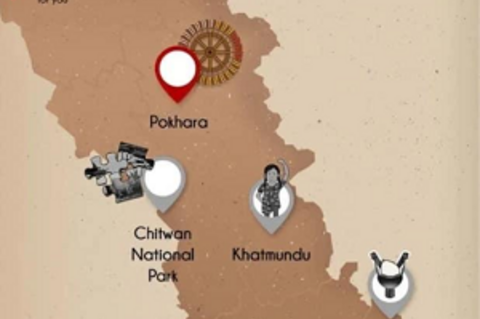
The USAID-funded FACT Project, developed the Nari Paila (Her Journey in Nepali) mobile games to address the unique needs of adolescents in Nepal. They facilitate an alternative direct-to-consumer approach bypassing many of the challenges associated with traditional interventions for adolescents. Available for free download on the Google Play Store, Nari Paila is a suite of four games focused on menstrual hygiene management, fertility, family planning side-effects, and sex determination (son preference). Designed for smartphones and connectivity in places like Nepal, the app engages adolescents through a dynamic and culturally relevant backstory. In-app questions capture and track user knowledge acquisition and social normative responses. Additionally, analytic data that captures real-time interactions of players, answers to in-app questions, and game success facilitates rapid refinement at scale.
Results/Lessons Learned
Nari Paila was digitally marketed through various social media platforms (Facebook, Instagram, TikTok, etc.) and select schools in Nepal. These multiple approaches resulted in tens of thousands of views, interactions and more than 10,000 downloads. We found that Facebook was our most powerful platform, while other tools such as TikTok and YouTube videos provided opportunities to raise the profile of the Nari Paila games. Monitoring data showed the digital games reaching both adolescent boys and girls 13 to 24 years of age. Lessons learned from this pilot suggest that knowledge of key SRH topics is low across most adolescents, youth, and adults but that they desire this information. Using games and social media to disseminate information about fertility and pregnancy risk requires simple and accurate messages. Finally, there needs to be an opportunity for critical reflection after receiving the information to shift existing social norms around fertility and family planning.
Discussion/Implications For The Field
This intervention explored the use of digital games to diffuse SRH information and increase fertility awareness. The implications of digital games to provide reproductive health information are just beginning to be understood and require further examination. User feedback show that digital games have the power to increase knowledge of key SRH topics and contribute to a supportive environment for FP by addressing myths related to FP side effects and taboos around sex, menstruation and reproductive health. SRH information can be provided through innovative and participatory ways which contribute to comprehensive sexuality education for adolescents and adults alike.
Abstract submitted by:
Nokafu Chipanta - Georgetown University
Naramaya Limbu - Grid
Khem Pokhrel
Mariam Adil
Dominick Shattuck - JHU
Cait Davin - Georgetown University
Approved abstract for the postponed 2020 SBCC Summit in Marrakech, Morocco. Provided by the International Steering Committee for the Summit. Image credit: Grid