











































Increasing listernership to a radio drama by identifying audience needs and acting upon them: experiences of adapting Bhanchhin Aama (Mother Says) in Nepal
Summary:
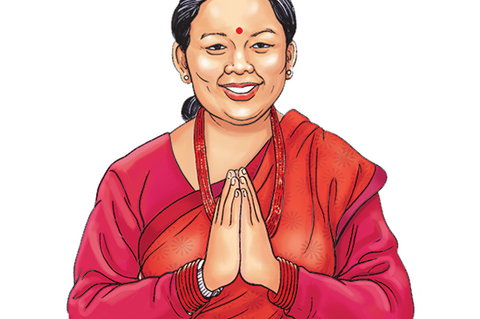
Suaahara II, a multi-sectoral USAID-funded program in Nepal has been delivering a popular radio shows since 2012. Nearly 200 episodes of Bhanchhin Aama (Mother Says) have been developed and broadcasted weekly in three languages on 122 FM stations. Bhanchhin Aama (BA) combines episodic drama and question and answer call-in sessions to share vital health, nutrition, and sanitation information. As of 2017, only 31% of Nepali mothers with children below 5 years were aware of BA; among them, 70% had listened ever and 36% were listening at least monthly. After research to identify barriers and facilitators, Suaahara II took steps to increase awareness and listenership: (1) decentralized production from Katmandu to 14 local clusters dotting the program area, (2) transitioned to live broadcasts. BA is now talking directly to the listener, (3) engaged local stakeholders as radio show guests, (4) answered call-in questions with immediate and contextualized solutions and (5) integrated promotion of BA into all other Suaahara II initiatives, including home visit counselling, community events, and SMS campaigns. Finally, due to increasing smart phone ownership and social media usage by mothers, Suaahara II created a BA Facebook page and YouTube channel to increase coverage. Only two years later, the benefits of these adaptations were revealed. The 2019 monitoring survey showed the value of these additional investments. Awareness of BA among mothers had more than doubled to 68% and among them, 70% had ever listened and 40% were listening at least once a month.
Background/Objectives:
Suaahara II (SII), a USAID-funded program, is aligned with the Government of Nepal's Multisector Nutrition Plan, which aims to reduce maternal and child undernutrition throughout 42 of Nepal's 77 districts. One of the key pathways for SII to reduce malnutrition is to motivate households to adopt ideal health, nutrition and water, sanitation, and hygiene (WASH) behaviors. SII's social and behavior change (SBC) activities include interpersonal communication (home visits), community mobilization (women's group meetings, cooking demonstrations), mass media and technology (SMS, Facebook). SII's flagship entertainment education radio program, Bhanchhin Aama is used as a launchpad for many of these interventions.
Description of Intervention and/or Methods/Design:
Bhanchhin Aama (BA) began in 2013 on 41 FM stations, sharing health, nutrition and WASH information. Currently 122 FM stations carry BA. In 2016, characters (e.g. grandparents, adolescent girl) were added, to align with Suaahara II's family approach and maintain audience interest. To address barriers regarding the timing of the program, we began live broadcasting in the mornings and re-aired BA in afternoons and evenings, the same day. Suaahara II staff promote BA during home visits and community events and our SMS campaign reminds families to listen. Dedicated BA Facebook page and YouTube channel were added to engage diverse audiences. In 2018, production was also decentralized from Kathmandu to 14 communities across Nepal. Local health workers, local leaders and mothers are invited as guest hosts. To ensure quality, local radio producers are trained and coached, and SBC experts sit in the studios during production.
Results/Lessons Learned:
From 2017-2019, BA awareness increased from 31% to 68% among mothers with a child under 5 years. One-fifth of mothers across Nepal now listen at least monthly. Key lessons learned from the adaptations made to achieve this increase in exposure among target populations include: 1.Evidence-based adaptations of interventions are important to achieving reach (e.g. changing broadcast timing and frequency); 2.Localized production and direct engagement of local voices, creates local ownership; 3.Local, live production allows audiences to receive immediate, context-specific solutions; and 4.Attention to a modernizing society (e.g. SMS, Facebook and YouTube) is vital. Finally, building skills of local producers is important for sustainability, as it allows them to continue the program far beyond the project cycle. Local governments engagement is also generating political interest and financial investments, which will help sustain the radio program on local FM stations even when SII ends.
Discussion/Implications for the Field:
SII's experience shows that a radio program can grow from pilot to national phenomenon if investments are made in research to identify barriers and facilitators to listenership and willingness to continuously adapt all aspects including design, content and broadcasting details. Ensuring quality and consistency of messages, particularly on sensitive health and nutrition topics, presented a risk when localizing the radio show; quality assurance approaches were thus also prioritized. BA is now a source of information, guiding and empowering families of young children. Steps to achieve this are easily adaptable by other at scale SBC interventions globally to increase their coverage.
Abstract submitted by:
Indra Dhoj Kshetri - Helen Keller International (HKI)
Ramesh Dhakal - Equal Access International
Kenda Cunningham - HKI
Pooja Pandey - HKI
Approved abstract for the postponed 2020 SBCC Summit in Marrakech, Morocco. Provided by the International Steering Committee for the Summit.