










































How to enable the enabling environment: Strategies and impact of youth-led family and community SBCC on livelihood development for out-of-school rural youth in Africa
Summary:
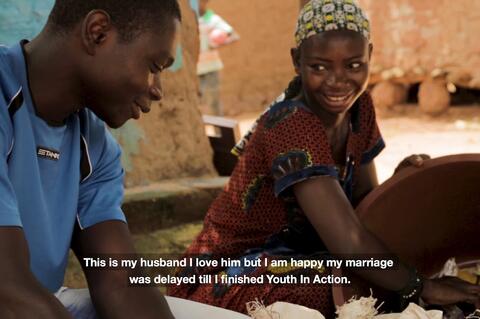
Youth livelihood programming has increased over the last two decades in response to the high levels of youth under- and unemployment (Kluve et al., 2016); however, the evidence on the effectiveness of such programs is mixed. A recent meta-analysis (Fox & Kaul, 2017) found that approximately two thirds of programs analyzed had no effect and in many cases program effects disappeared after two years. Drawing on Save the Children's Youth in Action program (YiA), this presentation discusses evidence-based lessons on how to enable the institutions and structures at the family and community levels that support girls' and boys' transition to sustainable and decent livelihoods. YiA used a multi-pronged integrated and youth-led SBCC strategy focused on three key objectives: engagement, demonstration and reflection. Impact evaluation data, involving a tracer study conducted on average 20 months after young people's graduation from the program, indicated increased long-term monetary, in-kind and emotional support to youth and such support had a direct effect on youth's work readiness skill improvements. Findings further revealed sustainable increases in young women and men's income and asset accumulation, and integration into community structures. This presentation highlights the importance of designing SBCC campaigns that facilitate youth leadership and voices, showcasing examples of youth-led activities and messaging to evoke positive and transformative change.
Background/Objectives:
Youth livelihood programming has increased over the last two decades in response to the high levels of youth under- and unemployment (Kluve et al., 2016); however, the evidence on the effectiveness of such programs is mixed. A recent meta-analysis (Fox & Kaul, 2017) found that approximately two thirds of programs analyzed had no effect and in many cases program effects disappeared after two years. Drawing on evidence-based lessons from YiA, this presentation discusses how to enable family and community support through integrated and youth-led SBCC design and the effect on youth's transitions to sustainable and decent livelihoods.
Description of Intervention and/or Methods/Design:
YiA was implemented from 2012-2018 across five African countries to improve the socio-economic status of 40,000 rural, out-of-school girls and boys, ages 12-18. The program strengthened youth's foundational work readiness skills and facilitated market resources and linkages for youth to apply their learned skills. YiA included a multi-pronged SBCC strategy to simultaneously improve youth's perceptions of their environments, improve adults' perceptions of youth, and strengthen relationships and networks that would allow youth to enter and thrive in the market. Strategic areas involved: 1) demonstration of youths' capabilities, work and value to family and community members through youth-led activities, such as events, procurement, market exhibitions, and community improvement projects; 2) engagement of family and community members and community services in program activities; and 3) reflection of family and community members of youth skills, maturation and how to support youth's livelihood development.
Results/Lessons Learned:
Formative YiA research found that community members (especially informal employers and leaders) were gatekeepers, who often viewed youth as lazy and not dependable. This perception effected whether youth received family and community support to gain market relevant skills and access work opportunities. Research found little to no financial/material and emotional support was provided by families or community to youth prior to YiA. This was concerning, given the rural context, where 95% of youth reported no sufficient access to material assets, education/training and financial services. Tracer studies, conducted on average 20 months after youth's program graduation, found marked increases of family and community support across three categories financial/material, emotional and technical support. It was found that family and community support over the program period was associated with larger gains in work readiness skills and significant increases in income, savings and asset accumulation of youth and their families.
Discussion/Implications for the Field:
This presentation highlights the critical role of family and community structures and institutions in youth's transition to decent work. It also contributes to the recognition of youth as catalysts to enable an enabling environment, highlighting the value and sustainable impact of facilitating young women and men's voices for positive and transformative change in SBCC strategies with youth. To illustrate youth's effect and power, the presentation will also share samples of youth communications and youth-led activities.
Abstract submitted by:
Sarah Moorcroft - Save the Children Canada
Youth livelihood programming has increased over the last two decades in response to the high levels of youth under- and unemployment (Kluve et al., 2016); however, the evidence on the effectiveness of such programs is mixed. A recent meta-analysis (Fox & Kaul, 2017) found that approximately two thirds of programs analyzed had no effect and in many cases program effects disappeared after two years. Drawing on Save the Children's Youth in Action program (YiA), this presentation discusses evidence-based lessons on how to enable the institutions and structures at the family and community levels that support girls' and boys' transition to sustainable and decent livelihoods. YiA used a multi-pronged integrated and youth-led SBCC strategy focused on three key objectives: engagement, demonstration and reflection. Impact evaluation data, involving a tracer study conducted on average 20 months after young people's graduation from the program, indicated increased long-term monetary, in-kind and emotional support to youth and such support had a direct effect on youth's work readiness skill improvements. Findings further revealed sustainable increases in young women and men's income and asset accumulation, and integration into community structures. This presentation highlights the importance of designing SBCC campaigns that facilitate youth leadership and voices, showcasing examples of youth-led activities and messaging to evoke positive and transformative change.
Background/Objectives:
Youth livelihood programming has increased over the last two decades in response to the high levels of youth under- and unemployment (Kluve et al., 2016); however, the evidence on the effectiveness of such programs is mixed. A recent meta-analysis (Fox & Kaul, 2017) found that approximately two thirds of programs analyzed had no effect and in many cases program effects disappeared after two years. Drawing on evidence-based lessons from YiA, this presentation discusses how to enable family and community support through integrated and youth-led SBCC design and the effect on youth's transitions to sustainable and decent livelihoods.
Description of Intervention and/or Methods/Design:
YiA was implemented from 2012-2018 across five African countries to improve the socio-economic status of 40,000 rural, out-of-school girls and boys, ages 12-18. The program strengthened youth's foundational work readiness skills and facilitated market resources and linkages for youth to apply their learned skills. YiA included a multi-pronged SBCC strategy to simultaneously improve youth's perceptions of their environments, improve adults' perceptions of youth, and strengthen relationships and networks that would allow youth to enter and thrive in the market. Strategic areas involved: 1) demonstration of youths' capabilities, work and value to family and community members through youth-led activities, such as events, procurement, market exhibitions, and community improvement projects; 2) engagement of family and community members and community services in program activities; and 3) reflection of family and community members of youth skills, maturation and how to support youth's livelihood development.
Results/Lessons Learned:
Formative YiA research found that community members (especially informal employers and leaders) were gatekeepers, who often viewed youth as lazy and not dependable. This perception effected whether youth received family and community support to gain market relevant skills and access work opportunities. Research found little to no financial/material and emotional support was provided by families or community to youth prior to YiA. This was concerning, given the rural context, where 95% of youth reported no sufficient access to material assets, education/training and financial services. Tracer studies, conducted on average 20 months after youth's program graduation, found marked increases of family and community support across three categories financial/material, emotional and technical support. It was found that family and community support over the program period was associated with larger gains in work readiness skills and significant increases in income, savings and asset accumulation of youth and their families.
Discussion/Implications for the Field:
This presentation highlights the critical role of family and community structures and institutions in youth's transition to decent work. It also contributes to the recognition of youth as catalysts to enable an enabling environment, highlighting the value and sustainable impact of facilitating young women and men's voices for positive and transformative change in SBCC strategies with youth. To illustrate youth's effect and power, the presentation will also share samples of youth communications and youth-led activities.
Abstract submitted by:
Sarah Moorcroft - Save the Children Canada
Source
Approved abstract for the postponed 2020 SBCC Summit in Marrakech, Morocco. Provided by the International Steering Committee for the Summit. Image credit: Save the Children Canada