










































Self is the change! The example of the Dance4Life empowerment model in fostering young people's well-being
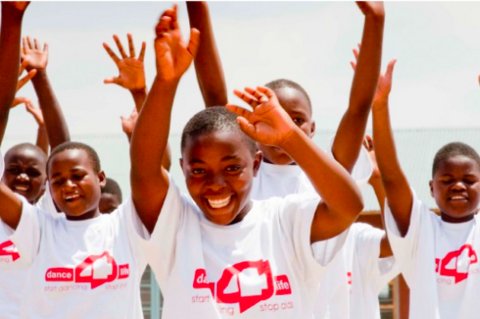
Summary:
This practice-oriented presentation demonstrates the power of transformation of the innovative Empowerment Model, developed for and with young people by the Dutch organization Dance4Life. Drawing from different disciplines, the model is based on a sexuality education curriculum: the Journey4Life - which builds socio-emotional learning competencies influencing determinants of behavior change (self-efficacy, attitudes and norms), eventually leading to behavior change. The curriculum is contextualized and co-designed with young people and, therefore, better responds to young people's needs in terms of content, activities and mode of delivery. It is delivered through experiential learning and fun activities (music, dance, role-playing) by peer educators intensively trained in sexual and reproductive health content, and participatory facilitation techniques. It helps young people reflect on themselves, their relationships and social norms in their community, and activates them to make a change. The realization and sustainability of behavior change is ensured by Dance4Life's local partners who focus on making health services accessible and youth-friendly, and create community buy-in. Evaluations from four countries and insights from implementation in fourteen countries show an increase in confidence, gender equal attitudes, willingness to change harmful social norms, and positive (sexual) behavior after exposure to the Empowerment Model. School attendance also increases and teachers find students more concentrated and respectful towards others. The model is beneficial for both young people's behavior change and personal development. Being a dynamic holistic model, it adapts to multiple health promotion interventions and can therefore be easily scaled up.
Background/Objectives:
Comprehensive sexuality education (CSE) has crosscutting results in attaining good health and well-being, quality education, gender equality and reducing sexual violence (SDGs 3, 4, 5, 16). CSE guidelines encourage empowering approaches that build young people's (YP) soft skills necessary to foster behavior change. Drawing from evidence on Positive Youth Development, Sexual and Reproductive Health (SRH), education, psychology and human-centered design, the Dutch organization Dance4Life developed an innovative Empowerment Model. Its core is a CSE curriculum - the Journey4Life - which enhances socio-emotional competencies tackling determinants of behavior change (self-efficacy, attitudes and norms), eventually leading to positive sexual behaviors.
Description of Intervention and/or Methods/Design:
The Journey4Life is delivered among 10-24 year olds for 12-18 hours over 3-4 months, by peer educators intensively trained on SRH content and participatory and creative facilitation techniques. It helps YP reflect on themselves, their relationships and the social norms in their communities. The curriculum was co-created together with YP using human centered design to involve the end-users, leading to higher engagement and impact on YP. The SRH content is adapted to the specific context and has a strong focus on gender, a proven aspect leading to successful CSE. Content is not delivered as facts but is addressed through experiential learning, dance, playful activities and discussions, in line with educational theories promoting creativity in education, edutainment, and community of inquiry. The enabling environment (services, community support and policies) for making YP's behavior change possible and sustainable is ensured by Dance4Life's local partner organizations.
Results/Lessons Learned:
Findings from evaluations of the Dance4Life Empowerment Model in Ghana, Nepal, Russia and Tanzania show an increase in HIV and STIs testing and actions aimed at raising community awareness around SRH. Increase in determinants of behavior change is noticeable: confidence in discussing contraception use and STIs status with their partners, asking the partner to have sex and carrying condoms; gender equal attitudes; awareness of social norms and willingness to change harmful ones (such as gender-based violence, bullying and discrimination, child marriage). Across the fourteen countries where the model is implemented, teachers report an increase in YP's attendance, participation and concentration, not only during the Journey4Life, but also in general classes. YP are described as more respectful towards others both by school staff and parents. An enabling environment is key for the success of the model, with better outcomes where youth-friendly services are accessible and the community is supportive.
Discussion/Implications for the Field:
In order to empower beneficiaries to change behaviours, CSE should draw from different disciplines and approach individuals more holistically. CSE curricula should be co-designed with YP so that they strongly resonates to their realities and needs, both in terms of content and mode of delivery. Fun and experiential learning should be key components of the participatory methodology of delivery. An enabling environment is also fundamental to make behaviour change possible and sustainable. The power of transformation of the Dance4Life model is not limited to CSE, as the model can be adapted and extended to other health promotion interventions.
Abstract submitted by:
Marina Todesco - Maastricht University
Anastasie Di Gobi - Dance4Life
Polina Pomosova - Dance4Life
Judith Buitenhuis - Dance4Life
Karlijn Massar - Maastricht University
Gerjo Kok - Maastricht University
Approved abstract for the postponed 2020 SBCC Summit in Marrakech, Morocco. Provided by the International Steering Committee for the Summit. Image credit: Dance4Life.