










































Fighting shame one portrait at a time
Summary
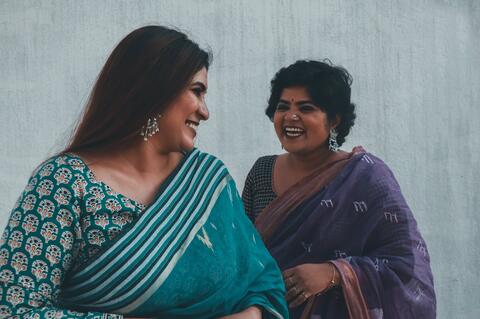
As digital media evolves, it is integral that it becomes an inclusive space where diversity and a multiplicity of voices is promoted and encouraged. Behaviour change is happening faster than ever with the advent of the internet, and it is integral for us to work on ensuring that we are leveraging digital platforms to catalyse change. This multi-media campaign is built to give Indian women a space where they can openly talk about gender based violence, their relationships with their bodies, the narrow beauty standards in Indian society, and how cultural biases influence the kind of healthcare women receive. By using photography to tell stories about what it feels like to inhabit a woman's body in India today, the project now has a network of 106,468+ people every month who view this page and it has over 11,000 followers on Instagram. Through the learnings of this multimedia project, this panel will explore the question of what behaviour change looks like online, and how social media can be leveraged to challenge deeply rooted cultural stigmas.
Background/Objectives
I founded Browngirlgazin, which is a digital platform built to give Indian women a space where they can openly talk about gender based violence, their relationships with their bodies, the narrow beauty standards in Indian society, and how cultural biases influence the kind of healthcare women receive. I realized that a lot of women felt too ashamed to talk about their bodies and bring up any questions they had regarding their bodies in public. This is why I chose to create a digital platform that uses photography to tell stories about what it feels like to inhabit a woman's body
Results/Lessons Learned
Using social media as a platform to create content that is not perpetuating inequality, but is actively challenging it has gotten a great response. By using technology to talk about issues regarding gender and sexuality in a country where it is still difficult to do that openly, I have been able to gather a vast number of insights detailing implicit and explicit biases that men have and specific challenges women in India face. By sharing their stories, they are re-modeling their behaviour online and fighting the expectation of 'perfection' that is often imposed on Indian woman. Technology as an enabler of behaviour change is a complex topic, and through my experience with this campaign I have learned how young people are consuming content and how to leverage that in order to create social behaviour change.
Discussion/Implications For The Field
Social media and technology are increasingly becoming incredibly important in shaping social behaviour. By understanding how people are consuming content, and studying the success of projects that have been able to reach young people, I have seen first hand the power of these tools in shaping behaviour. In order to embrace our diversity, we must navigate the ways in which social change is happening because of the internet and other digital platforms. An average person spends about 4 hours online a day, and therefore it is more important than ever to highlight participative, digital campaigns.
Abstract submitted by:
Anushka Kelkar - Therapize
Approved abstract for the postponed 2020 SBCC Summit in Marrakech, Morocco. Provided by the International Steering Committee for the Summit. Image credit: pexels-photo-7920200