










































Preventing Early Pregnancy and Poor Reproductive Outcomes among Adolescents in Developing Countries - WHO Guidelines
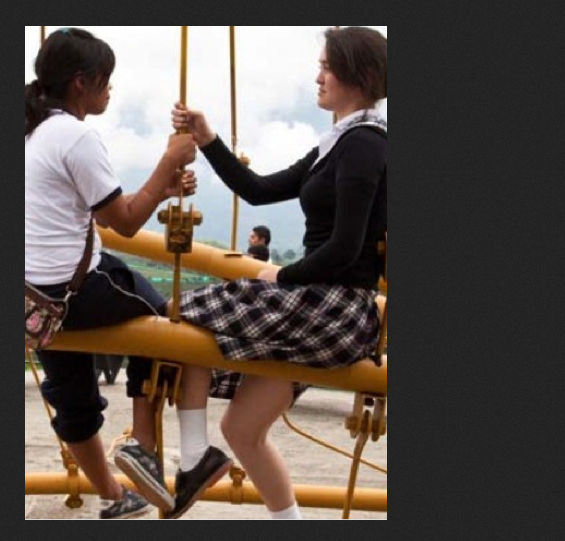
This document, available in English, French, and Spanish, provides what the World Health Organization (WHO) considers a "robust evidence base to help develop or reshape national policies and strategies. The guidelines help to ensure that available resources are spent on optimal approaches to prevent early pregnancies among adolescents, and on reducing morbidity and mortality associated with pregnancy and childbirth."
As stated by WHO, adolescent pregnancy contributes to maternal, perinatal, and infant mortality and to a negative cycle of poverty and ill-health. Reducing adolescent pregnancy is a strategy for achieving the Millennium Development Goals that relate to childhood and maternal mortality and to the overall goal of poverty reduction. "National reproductive health policies of a growing number of countries have identified tackling adolescent pregnancy as a priority. However, the approaches adopted are - in many cases - not as comprehensive as they should be and often not based on sound evidence."
Interventions must aim to:
Prevent early pregnancy:
- Reduce marriage before age 18 through strategies including legally prohibiting early marriage, keeping girls in school, and influencing cultural norms that support early marriage by working with communities to question, challenge, and change such norms so that empowered and informed girls grow up in favourable family and social environments.
- Reduce pregnancy before age 20 by advocating for pregnancy prevention among adolescents through influencing policymakers, educators, and community leaders to give strong and visible support to prevent adolescent pregnancy, specifically through sexual education, information, and sexual and reproductive health services, including curriculum-based education that: develops life skills; provides support to deal with thoughts, feelings, and experiences that accompany sexual maturity; and are linked to contraceptive counseling and services. "Families and communities are key players and must be engaged and involved in efforts to prevent early pregnancies and sexually transmitted infections, including HIV."
- Increase use of contraception by adolescents at risk of unintended pregnancy by: legislating access to contraceptives, information, and services; reducing the cost of contraception and enabling use of youth-friendly contraceptive services; educating adolescents about contraceptive use; and increasing community support for contraceptive provision to adolescents through raising community awareness about the importance of contraceptive access and use.
- Reduce coerced sex among adolescents through: advocating for laws that prohibit coerced sex and punish perpetrators; empowering girls to resist coerced sex using programmes that build self-esteem, develop life skills, and improve links to social networks and supports; challenging and changing norms that condone coerced sex, especially gender norms; and engaging men and boys to challenge gender norms.
Prevent adverse reproductive outcomes:
- Reduce unsafe abortion among adolescents by: enabling access to safe services and support; informing adolescents about the dangers of unsafe abortion; educating the community on the dangers of unsafe abortion and building support for policies to enable adolescent girls to access abortion and post-abortion services; and identifying and eliminating barriers to safe abortion services, as well as family planning methods.
- Increase use of skilled antenatal, childbirth, and postnatal care among adolescents through: advocacating with lawmakers to develop and implement legislation to expand access to skilled antenatal care, childbirth care, and postnatal care, especially for adolescent girls; increasing access to emergency obstetric care; disseminating accurate information on the risks of not utilising skilled care for both mother and baby, and where to obtain care; ensuring that adolescents, their families, and communities are prepared to respond to obstetric emergencies through creating a birth plan that manages the risk of an emergency; and educating service providers to treat young women with respect and be sensitive to their specific needs and concerns.
Click here to read a detailed brief for policy makers in PDF format.
Click here to read this 195-page document in PDF format.
Click here to read an abbreviated brief for policy makers in PDF format.
WHO website, January 30 2013.
- Log in to post comments