










































SMS 4 SRH: Using Mobile Phones to Reduce Barriers to Youth Access to Sexual and Reproductive Health Services and Information
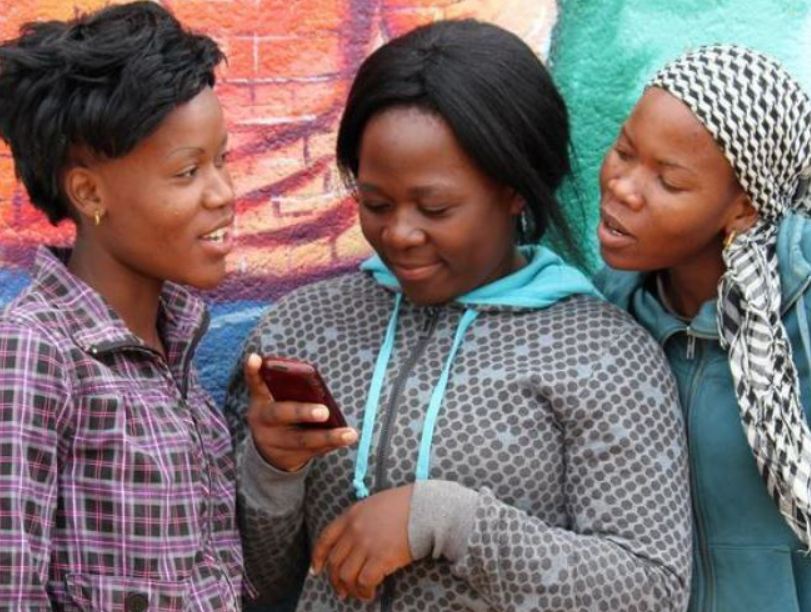
This 51-page summary report provides an overview of how mHealth programming may be used to improve youth access to sexual and reproductive health (SRH) services and information. The report frames the discussion of mHealth through an examination of specific barriers that limit youth access to them: accessibility barriers, including cost and location; information barriers; socio-cultural barriers, including embarrassment/fear of social stigma and social pressure/cultural norms; and provider barriers. According to the report, understanding the barriers that young people face in accessing SRH information and services can help determine whether and what type of mHealth intervention could be most effective. When developed and implemented with the audience in mind, mHealth programmes have the potential to be effective in reducing barriers and connecting people to essential information and services in an innovative, private, and acceptable manner.
The report explains that mHealth is defined as the use of mobile and wireless devices to improve health outcomes, healthcare services, and health research. mHealth has enormous potential as a uniquely effective tool for engaging with youth, who tend to be enthusiastic adopters of new technology and have the capacity to quickly learn to use it and adapt it to their everyday life. Overall, youth are considered enthusiastic adopters of mobile phones and avid users of SMS, making them an ideal population with whom to implement mHealth programming.
This report examines the potential for mHealth to improve youth access to SRH information and services through the lens of barriers that limit that access.
Accessibility Barriers: Accessibility barriers are logistical constraints that directly limit the ability of young people to access and utilise SRH services. The two primary accessibility barriers reported by young people around the world are cost and location. Mobile phone health programming represents a new avenue for removing the barrier of cost by strengthening existing efforts to use technology that is already available to youth. Voucher programmes typically involve eligible clients purchasing low-cost vouchers for particular SRH services from a community-based distributor. Incorporating mobile phone technology into existing voucher programmes can streamline the voucher distribution and reimbursement process, improve the efficiency and reliability of voucher programmes, and advance monitoring and evaluation efforts. In terms of location barriers, mobile outreach programmes are often used to improve access to healthcare for individuals who live in medically underserved, distant, or hard-to-reach places far from a physical clinic location. One approach might be to use an Automated Two-Way SMS programme to allow youth to access information about the time and location of upcoming mobile outreach visits. Mobile phone programming could also be used to determine where to send mobile outreach teams. This could take the form of an SMS-based service request. Such a programme would provide youth with a number to which they could text information about their location and a request for a mobile outreach team visit to their area.
Information Barriers: Often, the most pervasive barriers to SRH services for young people involve a lack of correct and comprehensive information. To make informed choices, young people need comprehensive information about where, when, and how to access SRH services. Many SRH programmes have used mHealth interventions to provide information to young people via SMS. For example, in a One-to-Many SMS information model users agree to receive information on a variety of SRH topics via SMS on a regular basis, including a consistent link to that information. In an SMS Quiz model users are encouraged to improve their knowledge of SRH through positive reinforcement and incentives for providing correct answers. Another use of SMS and mobile phones is to provide young people with easily and privately accessible information about what services are offered and where service facilities are located.
Socio-Cultural Barriers: Social norms around youth sexuality play a large role in youth accessibility of SRH services. Many young people face embarrassment, social stigma, and social pressure around contraceptive use, particularly in cultures where conservative norms exist towards sexuality and premarital sex. One immediate way to address young people’s embarrassment and fear of social stigma is to offer private and confidential access to SRH information. Mobile phones offer users privacy and anonymity, allowing them to seek SRH information without fear of being identified. For youth too embarrassed to ask for SRH information in person, SMS programmes that allow them to text in questions provide a safe and private space in which to access accurate, relevant and non-judgmental information. While designed mostly for individual interactions, some studies have found that many users share the information they receive via SMS, either by forwarding the message or using it to open a discussion with partners, friends, and family. Using the information provided via SMS to initiate a conversation on a sensitive subject such as SRH can encourage more open communication about SRH issues and potentially reduce stigma and negative attitudes towards SRH services, similar to the way that serial radio programmes on HIV have been able to promote dialogue and reduce stigma around HIV and AIDS.
Provider Barriers Many of the barriers that prevent youth from accessing SRH information and services occur at the individual and community levels. However, for young people who overcome the barriers and do access services, facility-level barriers such as provider and health facility staff bias, lack of training, and poor service delivery may restrict youth from accessing essential SRH services. There are two ways to reduce this barrier: client-focused programming and provider-focused programming. One approach to empowering youth is to give them objective information and recommendations before engaging with a service provider, so they are better able to represent themselves, their needs, and their preferences. Another approach to empowering youth to overcome health facility staff and provider biases is to use a mobile phone–based survey to collect client reviews of local service providers. Provider-focused programming can help SRH service providers identify and address areas that need improvement. SMS quizzes, such as those used in the Marie Stopes Uganda m4QI programme, can be used to educate service providers on a variety of topics, address issues of bias, and reinforce previous training.
The report offers a number of lessons learned, gleaned through a review of past and existing mHealth programmes and interviews with mHealth programme managers and staff from a number of organisations:
- Understand the Audience - Understanding the audience is essential, both before and throughout the development of mHealth programming. Identifying the intended audience and understanding their use of mobile technology is crucial in determining whether mHealth programming is appropriate, and if so, what type.
- Develop Strong Community Partnerships - Community partnership and buy-in can facilitate the development and implementation of effective mHealth programming. Gaining buy-in from the community is one key to ensuring that a programme is acceptable and appropriate among the intended audience. Including youth in the development process ensures that their voices and perspectives have been considered, making it more likely they will find the final product to be relevant and appealing.
- Technology Firms Can Be Valuable Partners - Collaboration with technology firms and mobile application developers will lead to a better mHealth programme because they may be able to create or adapt a specific programme that effectively meets the needs and goals of the organisation. Rather than using a one-size-fits-all programme, technology firms, mobile phone service providers, and others can help reduce the technical issues associated with implementation and facilitate smooth interactions with mobile phone users.
- SMS Character Limits Can Be a Challenge - SMS limits of 160 characters per message also limits the delivery of comprehensive SRH information. There simply may not be enough space to convey a complex or sensitive SRH message. Therefore, message development and testing are critical, as is careful testing of them with the intended audience to ensure that messages are acceptable, understandable, accurate, and effective. Using messages and materials that have been developed, tested, and utilised in other mHealth programmes can save time and money.
- Innovative and Collaborative Marketing Strategies Can Help Stretch Limited Programme Marketing Budgets - Engaging community partners such as local service providers, schools, and community youth organisations to help market and raise awareness about the programme with youth can help reduce costs. Providing partners with hard copies and digital copies of marketing materials and strategies can help reduce printing costs and improve distribution. Additionally, using innovative, low-cost, online, and youth-oriented marketing techniques can help create buzz about a programme and encourage youth to share it with peers.
- Think About Incentives and Costs to Participants - Consider how incentives and costs may encourage or discourage users from participating or using a programme. Incentives such as free air time or SMS money transfer can effectively encourage individuals to use or participate in mHealth programmes. Offering an mHealth programme for free via an agreement with a mobile phone service provider to pay for incoming and outgoing messages, for example, might encourage lower-income and youth users to participate. However, providing a service with a cost, even a low cost, may give users a stronger sense of the value of the service. How to organise incentives and costs to users is highly dependent on the audience and context.
- Be Aware of Hidden Program Costs - mHealth programming is typically considered to be low-cost or cost-effective, but there are hidden costs. In many locations, communication via SMS is much cheaper than via telephone call or in-person meetings, so SMS-based mHealth programmes can reduce healthcare delivery costs. However, as usage and users increase, the costs of an mHealth programme may increase, especially when the costs of all messages sent and received are subsidised.
- Privacy and Confidentiality Are Essential - mHealth programmes should be developed with the privacy concerns of youth in mind, such as through opt-in rather than opt-out services or by appropriately timing the delivery of messages. It is extremely important to ensure that mHealth programmes protect the privacy and confidentiality of their users, especially when a stigma may be attached to the topic.
- Knowledge Does Not Always Translate into Behaviour Change - Although lack of knowledge can be a significant barrier to behaviour change, there is little evidence to suggest that simply providing information and improving knowledge through mHealth programming results in an immediate, positive change in behaviour. Better evaluation is needed to examine the impact of mHealth information on behaviour change.
- Incorporate Evaluation from the Beginning - Evaluation of mHealth programming can be challenging, but using mobile phone technology can improve data collection. In addition, balancing the need for information for evaluation purposes with user privacy can be a challenge and may require compromise. For these reasons, planning for programme evaluation should be incorporated from the start of the development process. SMS surveys and quizzes can be used to gather demographic data from users and evaluate self-reported changes in knowledge and behaviour.
- Share with the Larger mHealth Community - Collaborating and sharing information, materials, and outcomes with other organisations working on mHealth can help ensure that progress and lessons are shared and incorporated into new programmes, thus contributing to more effective, evidence-based SRH programming and better outcomes across the field of mHealth.
- mHealth On its Own Is Not a Guaranteed Solution to the Barriers Faced by Youth - Whereas mHealth is promising and has already contributed to better access to information and services, it is not enough on its own to address the barriers to youth access. mHealth programmes appear to work well in providing information and linkages to services, and to better services, but they require that strong services and programming exist in the first place.
The report concludes that as mobile phone penetration expands across the globe, mobile technology is offering new and exciting ways to reach people with essential health information and services. For young people who are strongly engaged with mobile phone technology, mHealth programming has promising potential as a key method for conveying SRH information. Understanding the barriers that young people face in accessing SRH information and services can help determine whether and what type of mHealth intervention could be most effective. Developing effective mHealth interventions requires knowledge of audience needs, wants, and limitations, all of which can affect their ability or desire to engage with mHealth programmes. When developed and implemented with the audience in mind, mHealth programmes can be extremely useful in reducing barriers and connecting people to essential information and services in an innovative, private, and acceptable manner.
Marie Stopes International website on February 26 2014.
- Log in to post comments