










































Social mobilization activities (Community awareness and in-clinic demand generation) in the private setting; which intervention works better
Summary:
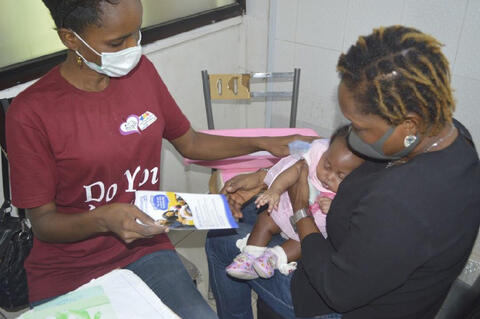
The Post Pregnancy Family Planning is the prevention of unwanted and closely spaced pregnancies during the first 12 months after delivery. It is an approach to reach women with key information to use Family Planning (FP) soon after delivery and is integrated along the maternal and child health continuum of care to reduce the unmet needs during this period. The Post-Pregnancy Family Planning (PPFP) Project funded by the Bill & Melinda Gates Foundation and MSD for Mothers is working in the private sector to increase the modern contraceptive rate in Lagos state. The Project uses a demand-led model based on the knowledge that when the demand for FP methods increases, supply rises to meet demand. Data collected during social immunization activities from September 2018 to August 2019, showed that sixty-six percent of clients referred during in-clinic mobilization took up a method, against fourteen percent uptake amongst clients referred from the community awareness. Reasons for the high uptake during in-clinic mobilization ranged from regular exposure to family planning messages during clinic visits which provided an avenue to address myths and misconceptions, and to establish a cordial client-provider relationship. The low uptake amongst clients referred from the community was majorly the varying cost of FP services in the facilities. Whilst the two social mobilization activities have been proven to increase client flow, the peculiarities of the private sector make in-clinic demand generation activities a better platform to influence the decision to take up family planning.
Background/Objectives:
The Post Pregnancy Family Planning is the prevention of unwanted and closely spaced pregnancies during the first 12 months after delivery. It is an approach to reach women during pregnancy and in the post-pregnancy period with the information and services they need to commence using family planning. In Lagos state, the unmet need for women in the post-pregnancy period is very high, with only about 23% of women using a modern contraceptive method. Integrating PPFP services along the Maternal and Child health continuum of care will ensure that the woman decides about family planning before leaving the facility.
Description of Intervention and/or Methods/Design:
The Post-Pregnancy Family Planning (PPFP) Project funded by the Bill & Melinda Gates Foundation and MSD for Mothers is working in the private sector to increase the modern contraceptive prevalence rate (CPR) in Lagos State. The Project follows a demand-led model which is predicated on the knowledge that when the demand for Family planning services increases, supply rises to meet demand. Data from routine mobilization activities from forty private health facilities in 14 Local Government Areas were assessed for a year (Sept 2018-Aug 2019), with comparisons across two major forms of social mobilization namely community mobilization and in-clinic demand generation; which involves the provision of FP health talks during MCH clinics. This assessment was to determine which of the activities had more influence on FP referrals and uptake. The data was retrieved from the facility's NHMIS register and analyzed with stata.
Results/Lessons Learned:
Across the two interventions, over 12 months, there was a sixty-six percent uptake amongst clients referred during in-clinic mobilization activities and a fourteen percent uptake of clients referred during community awareness activities. For many clients within the communities, the varying cost of FP commodities was identified as a major reason for the low patronage. Others included fear of side effects, and associated myths and misconceptions. Multiple contacts with the health system created a platform to ensure regular exposure to family planning messages, address myths, misconceptions and miscommunication and facilitate a cordial Provider-Client relationship, all of this will ensure the woman is well informed about her FP choices, ask questions, builds intention to use and take a method.
Discussion/Implications for the Field:
The Project adopted an integrated communication strategy employing social mobilization, media campaigns and entertainment education. While social mobilization remains one of the major media to reach the population with family planning messages, the peculiarity of the private health setting makes interventions within the hospitals a better platform to influence the decision to take up family planning. The private sector remains a critical component of health care delivery in Nigeria, the PPFP project in Lagos State hopes to leverage on this available evidence, towards improving the uptake of family planning among post-pregnant women in private facilities in the State.
Abstract submitted by:
Taiwo Johnson
Approved abstract for the postponed 2020 SBCC Summit in Marrakech, Morocco. Provided by the International Steering Committee for the Summit. Image credit: Post Pregnancy Family Planning Project